North San Juan: Independent by Nature
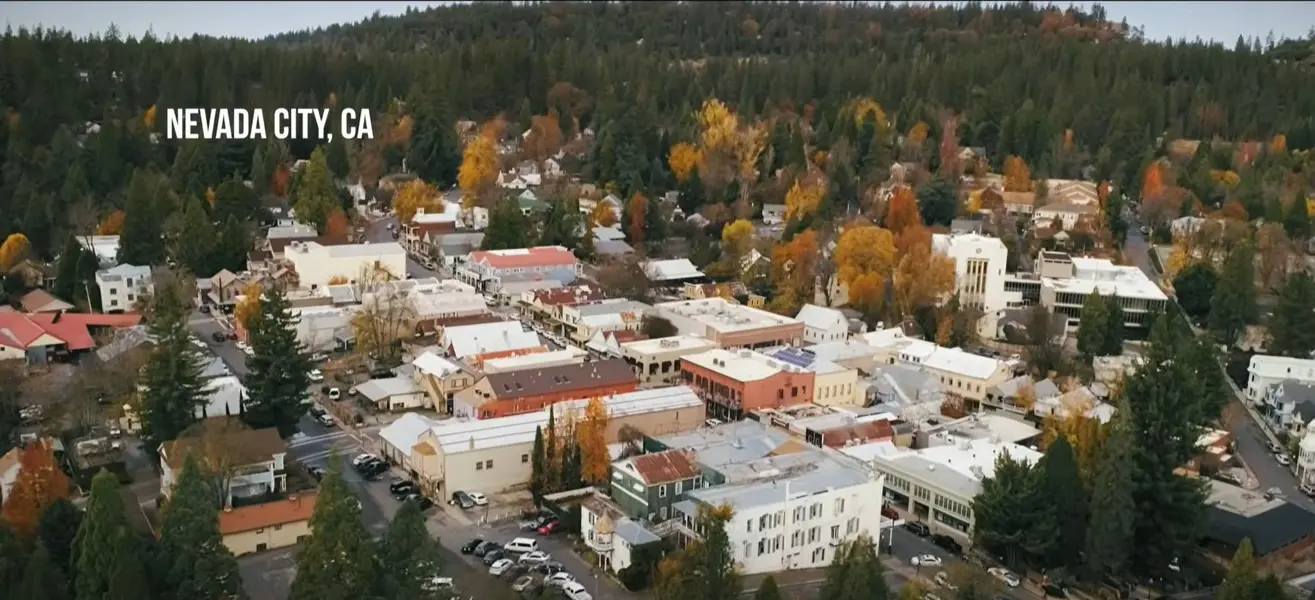
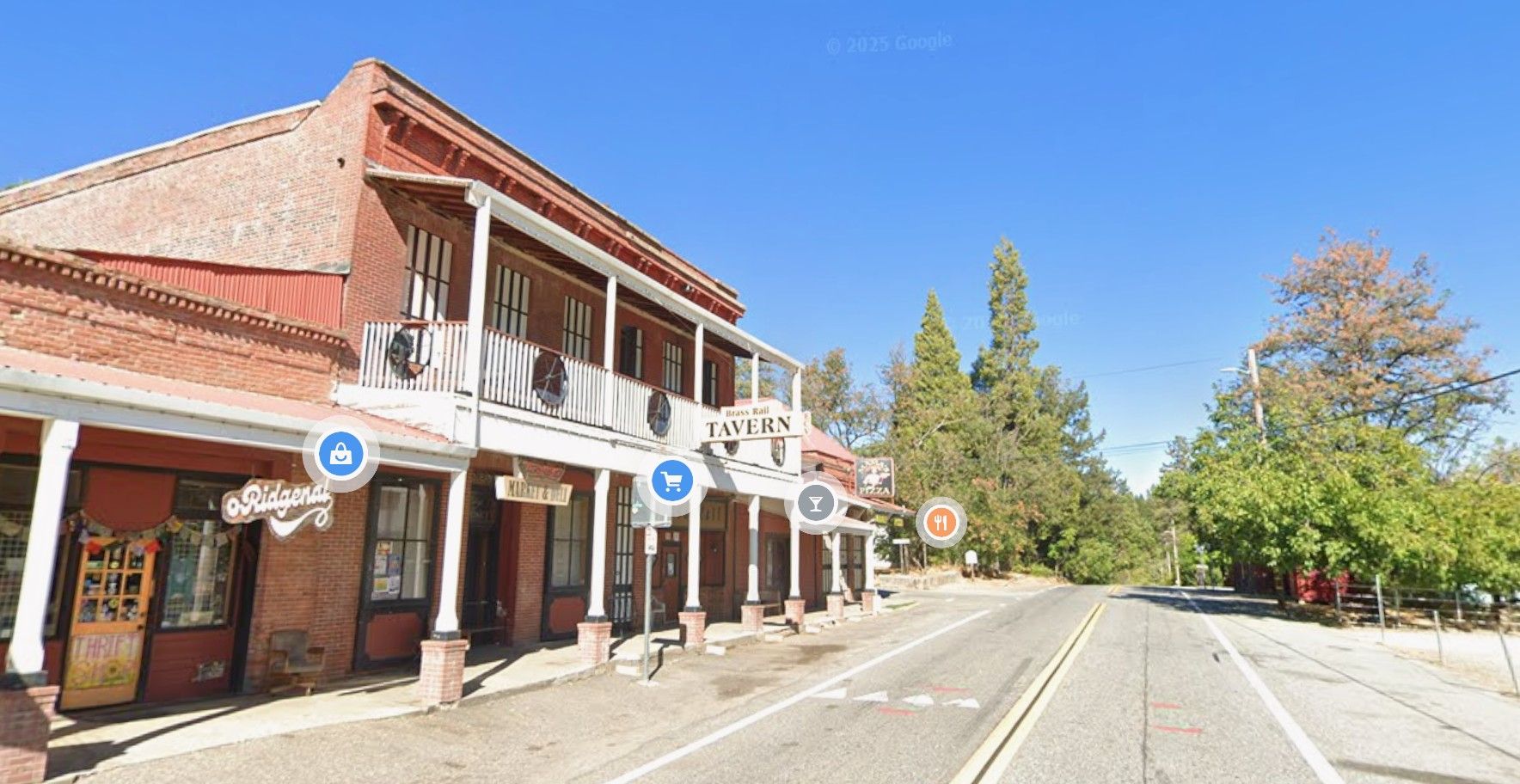
North San Juan began as a lively Gold Rush settlement on the San Juan Ridge, the forested stretch of land between the South and Middle Yuba Rivers. The town prospered during the hydraulic-mining era, when nearby communities such as North Bloomfield and French Corral drew miners, merchants and travelers into the northern Sierra foothills.
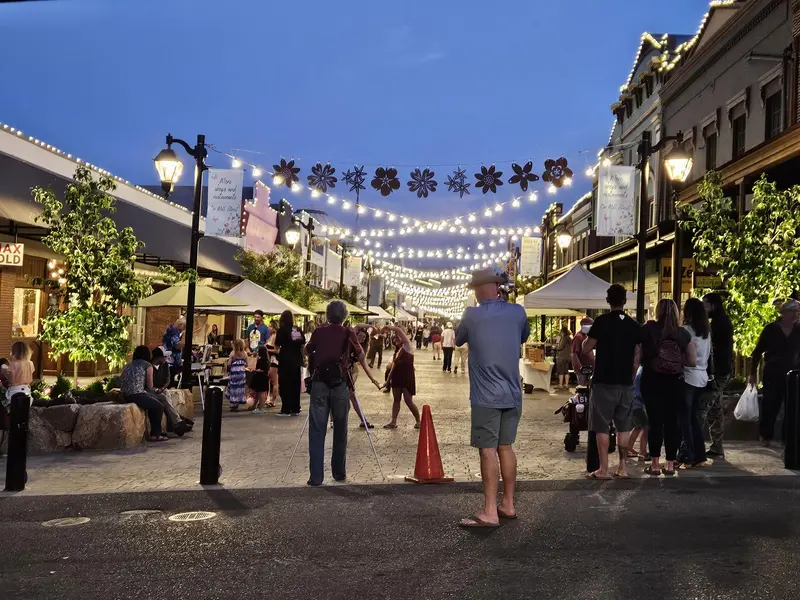
When mining declined, North San Juan evolved rather than disappeared. Its distance from larger towns helped preserve an independent, resourceful spirit that still defines the community. Residents have a long tradition of supporting local farms, small businesses, community organizations, artists and one another. Organic gardening, natural foods, sustainable living, yoga and wellness have become recognizable parts of the culture, giving the area a character that feels both deeply rural and quietly unconventional.
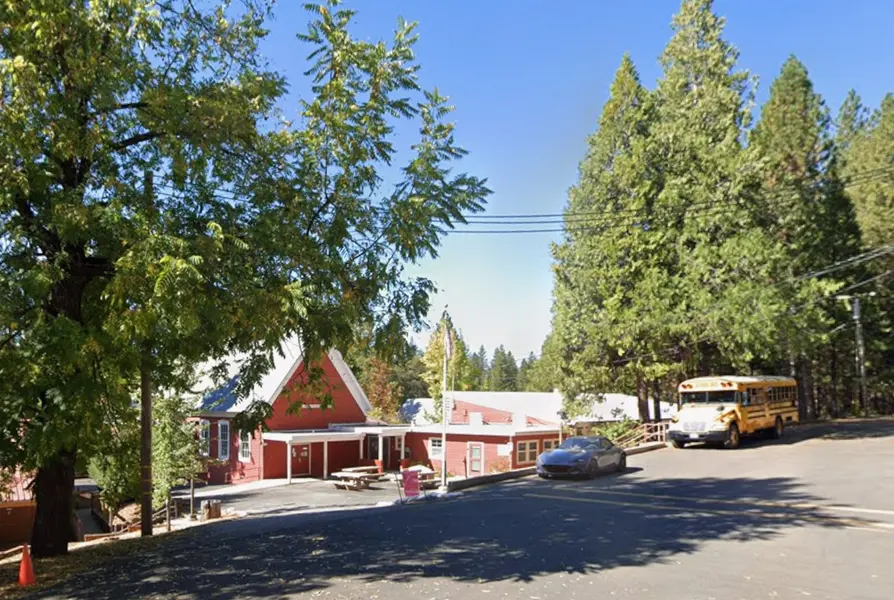
Nearby Ananda Village adds another distinctive dimension to the region. Founded in 1968 by Swami Kriyananda around the teachings of Paramhansa Yogananda, the intentional spiritual community is known for meditation, yoga, education, music, organic gardens and cooperative living. The North Columbia Schoolhouse Cultural Center also reflects the Ridge’s creative nature through music, theater, workshops and community gatherings.
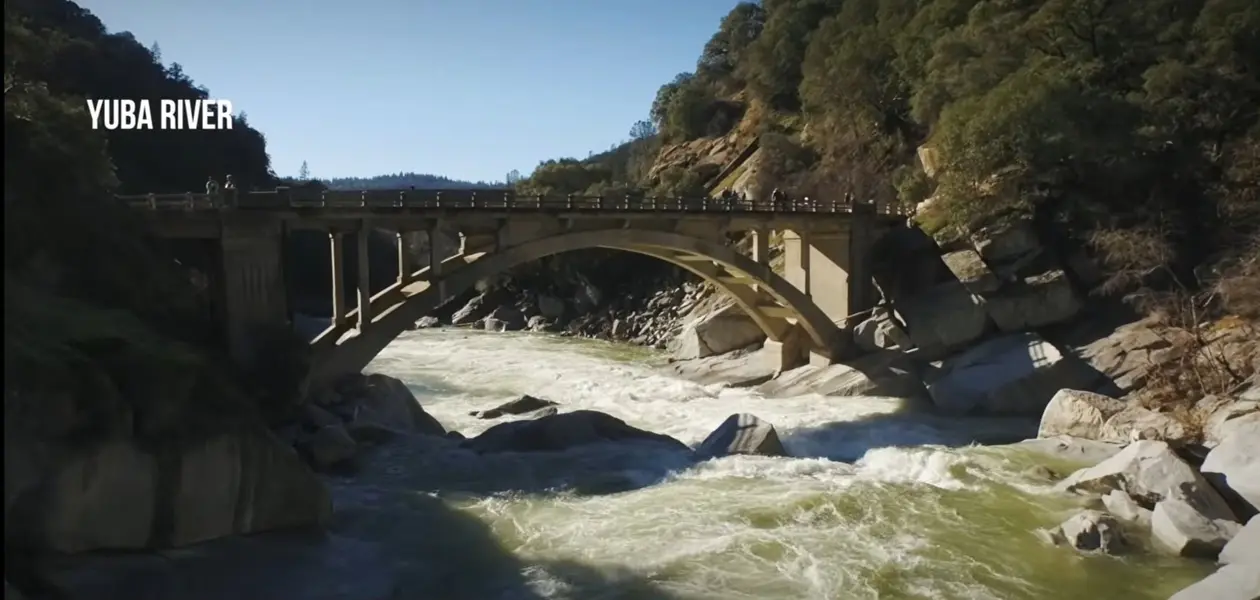
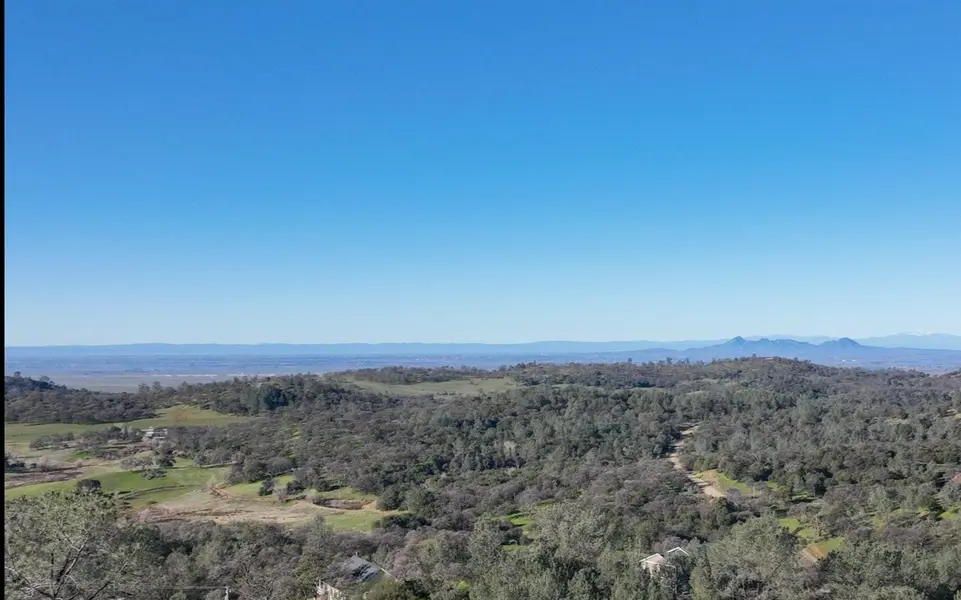
The surrounding landscape is equally important to life here. Country roads wind through forests, homesteads and small farms, while the South Yuba River offers striking granite canyons, swimming holes, trails and places to slow down and reconnect with nature. Malakoff Diggins State Historic Park preserves the dramatic landscape and remains of one of California’s largest hydraulic-mining communities.
North San Juan is not a polished resort town—and that is part of its appeal. It is a place shaped by history, creativity, self-reliance and an unusually strong sense of community, where independent thinking and respect for the land remain part of everyday life.
 New
New Active
 Active
 Active
 Price Dropped by $50K
 Active2 Beds2 Baths2,000 SqFt